About This Test
This page is designed to test and compare the performance of different hosting platforms. We'll be analyzing metrics like page load speed, Time to First Byte (TTFB), Largest Contentful Paint (LCP), and overall user experience across Vercel, Cloudflare Pages, and Netlify.
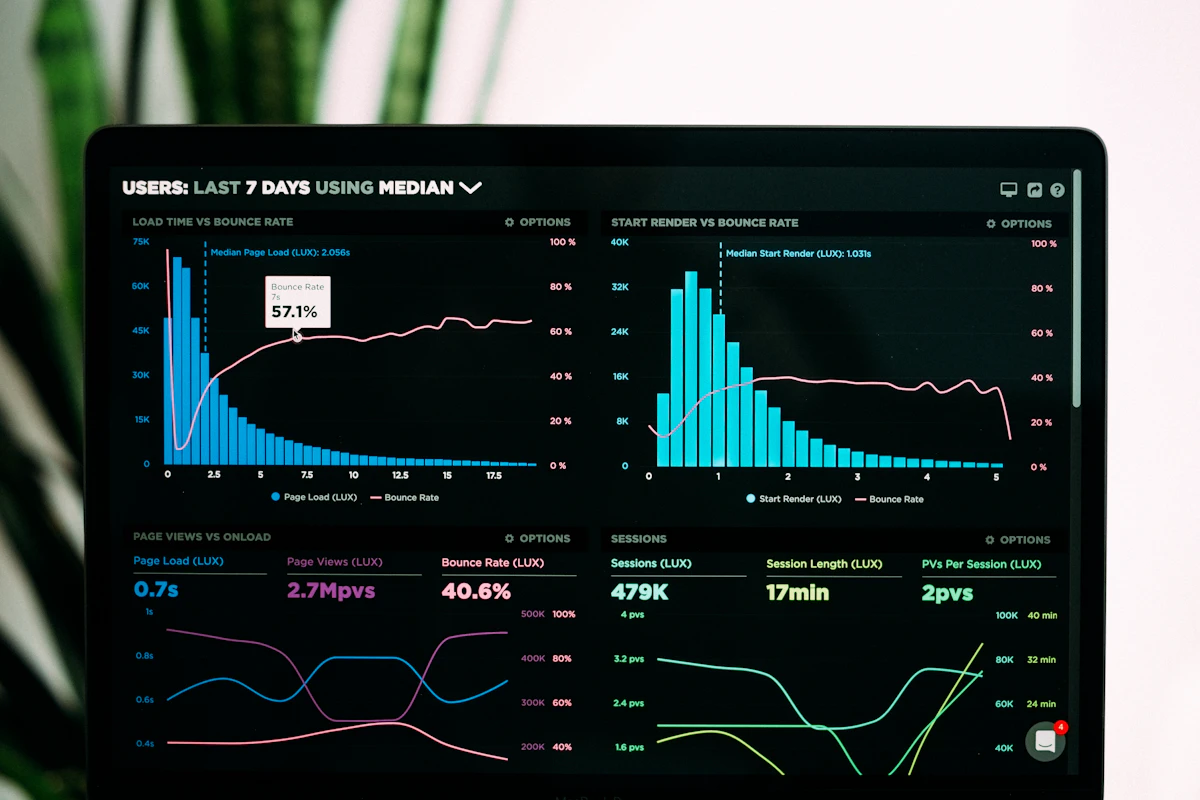
The test includes various elements that typically affect page performance: images of different sizes, custom fonts, responsive layouts, and interactive elements. By deploying identical versions of this page on each platform, we can get a fair comparison of their performance characteristics.
Key Performance Metrics
Time to First Byte (TTFB)

TTFB measures how long it takes for the browser to receive the first byte of page content after requesting it. This metric is heavily influenced by server processing time and network latency.
Largest Contentful Paint (LCP)

LCP measures when the largest content element in the viewport becomes visible. It's a key user-centric metric for perceived load speed and should occur within 2.5 seconds.
Cumulative Layout Shift (CLS)

CLS measures the visual stability of a page. It quantifies how much unexpected layout shift occurs during the loading phase. Lower scores mean better user experience.
Image Gallery
The following gallery contains various images to test image loading and optimization capabilities of each platform:


Platform Comparison
Each platform offers unique features and infrastructure that can impact performance:
| Feature | Vercel | Cloudflare Pages | Netlify |
|---|---|---|---|
| Global CDN | Yes | Yes | Yes |
| Edge Functions | Yes | Yes | Yes |
| Image Optimization | Yes, built-in | With Cloudflare Images | Yes, with plugins |
| Automatic HTTPS | Yes | Yes | Yes |
| Brotli Compression | Yes | Yes | Yes |
Large Content Block
This section contains a large block of text to test text rendering performance and layout stability:
Web Performance Optimization
Web performance optimization is the practice of improving the speed and efficiency of websites. Fast-loading pages lead to better user engagement, higher conversion rates, and improved search engine rankings. Some key strategies include:
Minimizing HTTP requests by combining files, using CSS sprites, and inlining critical CSS. Reducing file sizes through compression, minification, and optimizing images. Leveraging browser caching to store commonly used resources. Implementing content delivery networks (CDNs) to serve assets from locations closer to users.
Modern web performance also focuses on user-centric metrics like First Contentful Paint (FCP), Largest Contentful Paint (LCP), First Input Delay (FID), and Cumulative Layout Shift (CLS). These Core Web Vitals provide a more accurate representation of the actual user experience compared to traditional metrics like page load time.
JavaScript optimization is particularly important as sites become more interactive. Techniques include code splitting, tree shaking, and lazy loading non-critical resources. Progressive enhancement ensures that the core content is available quickly, with additional functionality added asynchronously.
Server-side optimizations matter too. This includes proper configuration of HTTP/2 or HTTP/3, efficient database queries, and implementing appropriate caching strategies. For static sites, pre-rendering content at build time eliminates server processing during user visits.
Mobile optimization has become essential with the growth of mobile internet usage. Responsive design, touch-friendly interfaces, and consideration of varying network conditions all contribute to better mobile performance. Techniques like Adaptive Serving can deliver appropriately sized resources based on the user's device capabilities.
Video Content
Embedded video content to test media loading performance:
JavaScript Interaction Tests
This section contains interactive elements powered by JavaScript to test runtime performance:
Dynamic Content Loading
Click the button below to load additional content dynamically: